

Alchemy
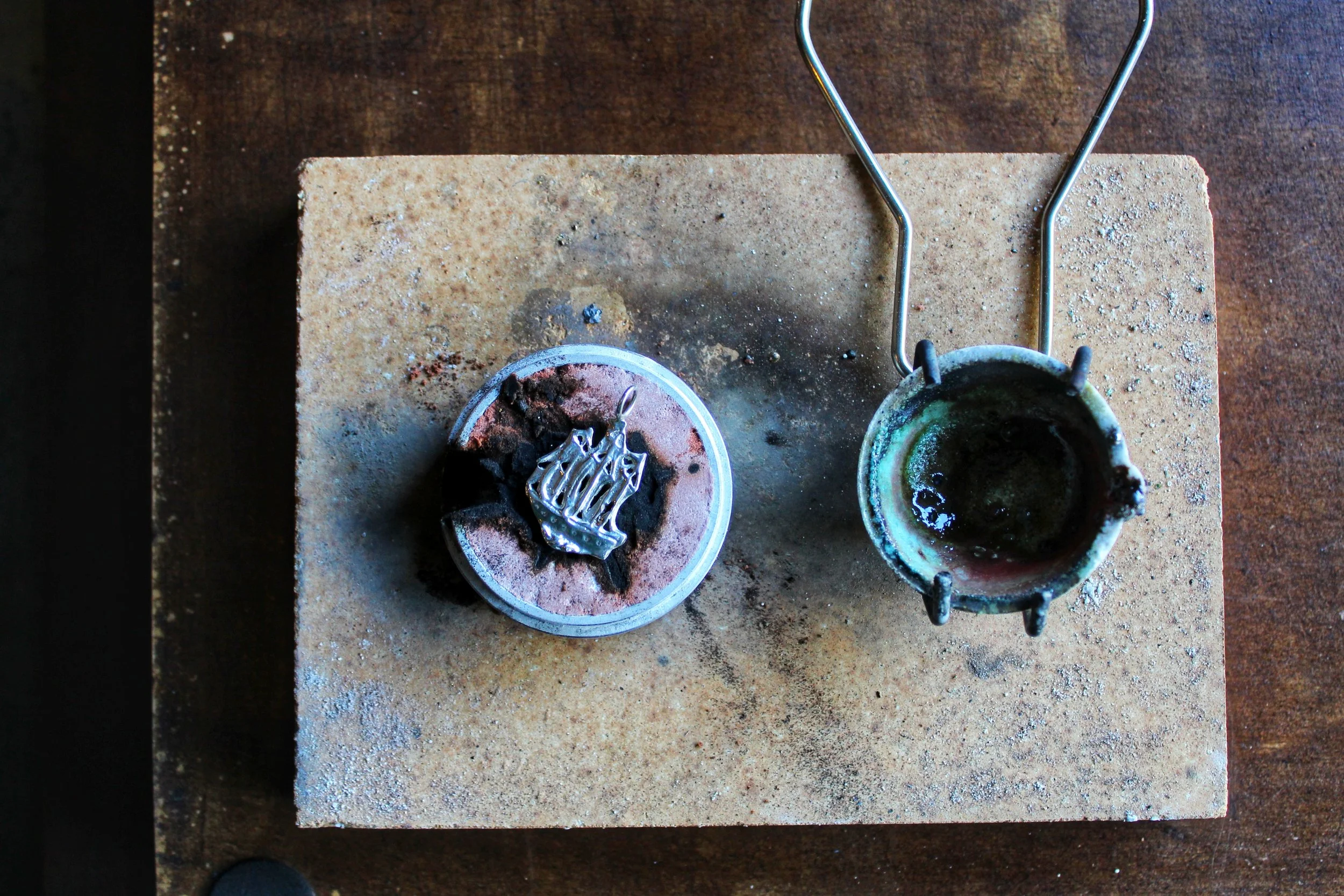
Alchemy was a form of specualtive thought, that among other aims, tried to transform base metals such as lead or copper into silver or gold. For me there is an element of magic, of excitement every time I sit down to create. This feeling of being exactly where I should be, using ancient techniques and inspiration from our past to create a piece of history that will withstand long after we are gone.
Jewellery holds such power. For me it is more than just fashion, it is history, it is a narrative, it has significance, it is a testament to tradition , to the lives and times that have come before us. Ancient techniques used in the modern world show how important our past is and through creating jewellery I hope to keep this kinship between past and present alive.
TO
FINISH
from
start
SANDCASTING
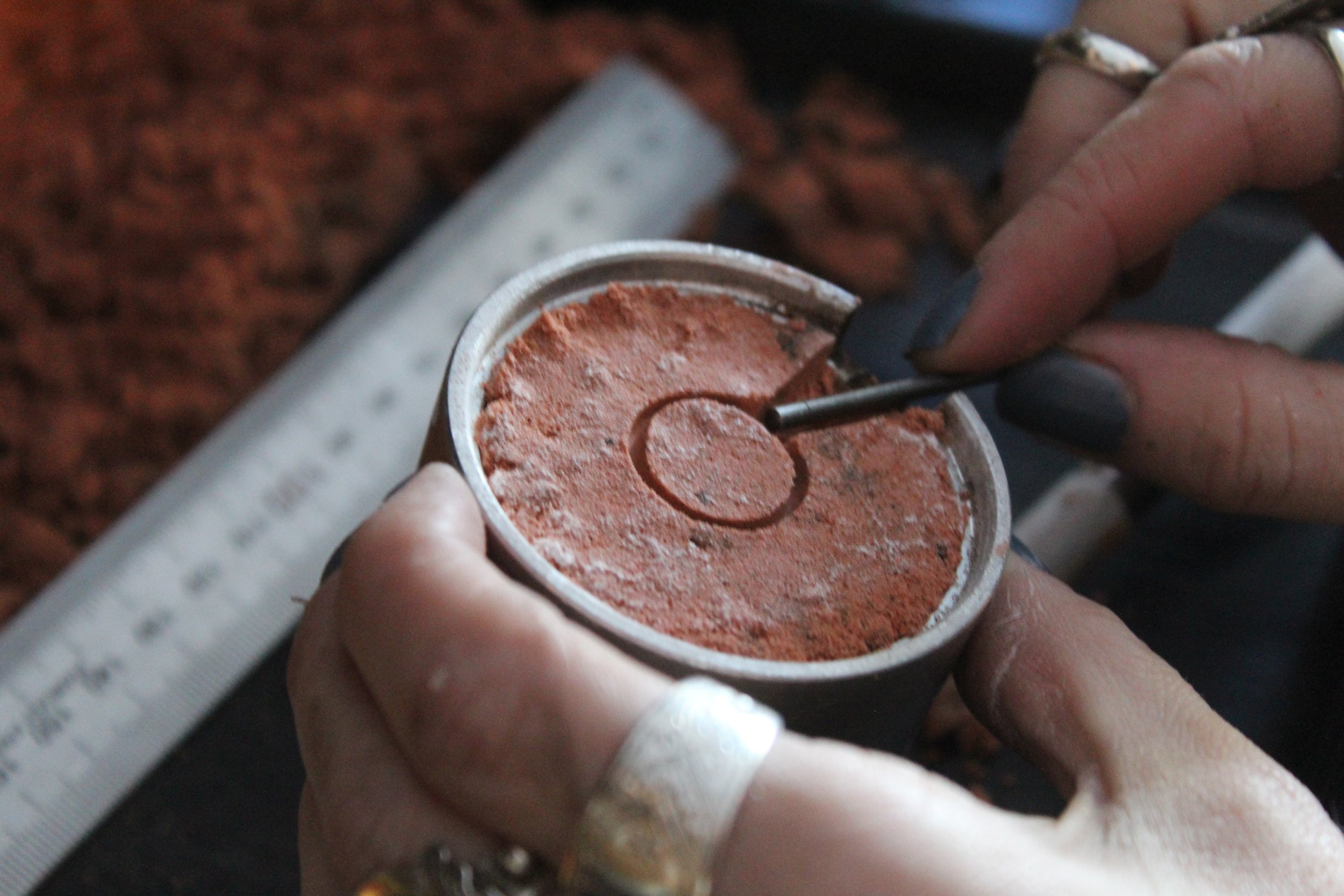
Sandcasting is the primary method I use when creating jewellery. This process allows me to create a piece from start to finish completely independently. The piece never leaves my hands. It is designed, cast, poured and cleaned all without leaving my work bench . Transforming what was once an idea in my mind into a tangible unique piece of jewellery.
The origin of sandcasting lies in pre-recorded history. It is the earliest technique for metal forming. It is known that the Egyptians were accomplished in this technique, creating some of the first recorded sand casted rings, predating the first dynasty 3150BC. The Romans refined these techniques to create beautiful jewellery and traditions that continued into the Medieval, Renaissance and Modern Era. Its is truly humbling to be part of a crafts that’s is so heavily steeped in tradition and history.
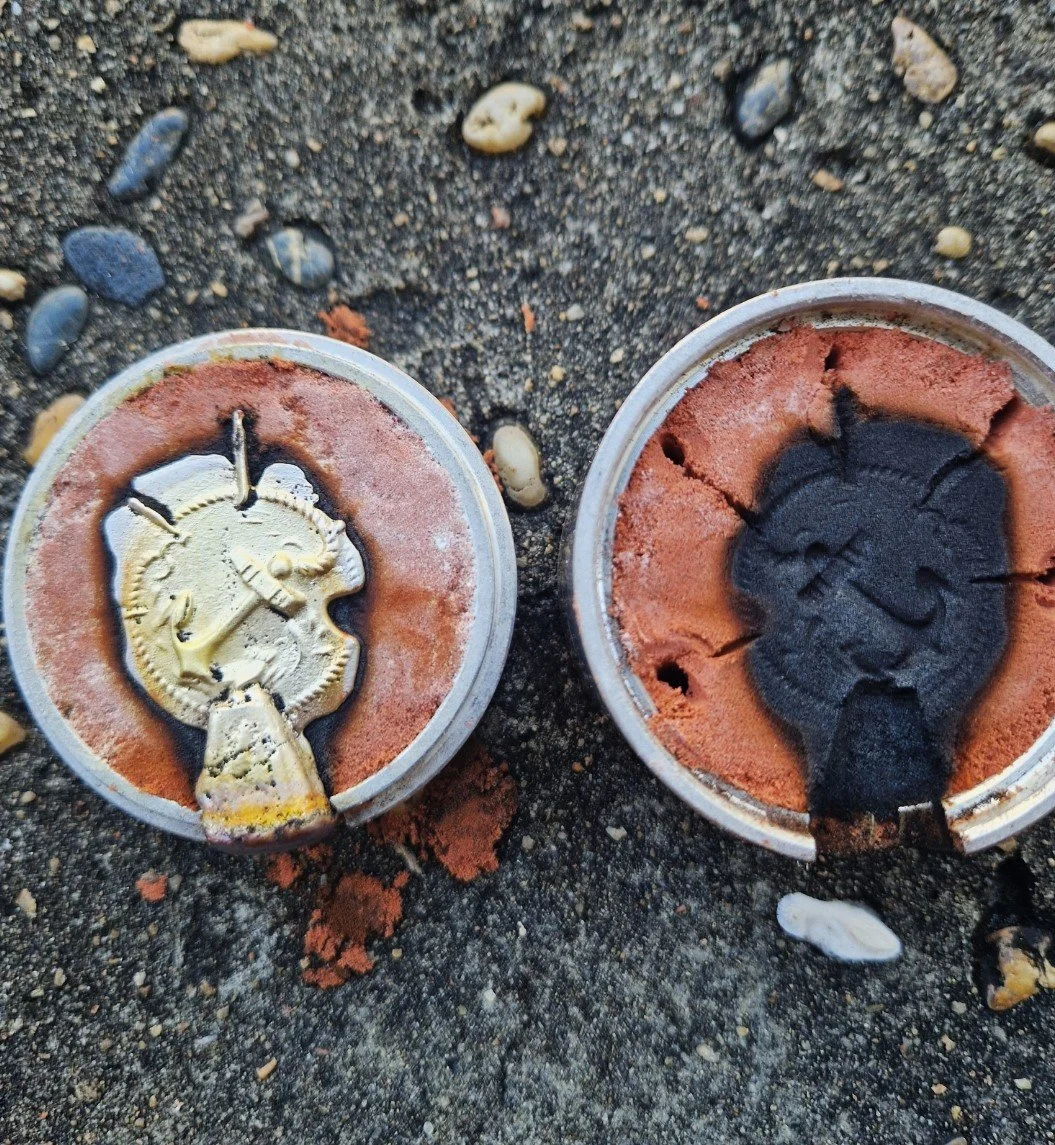
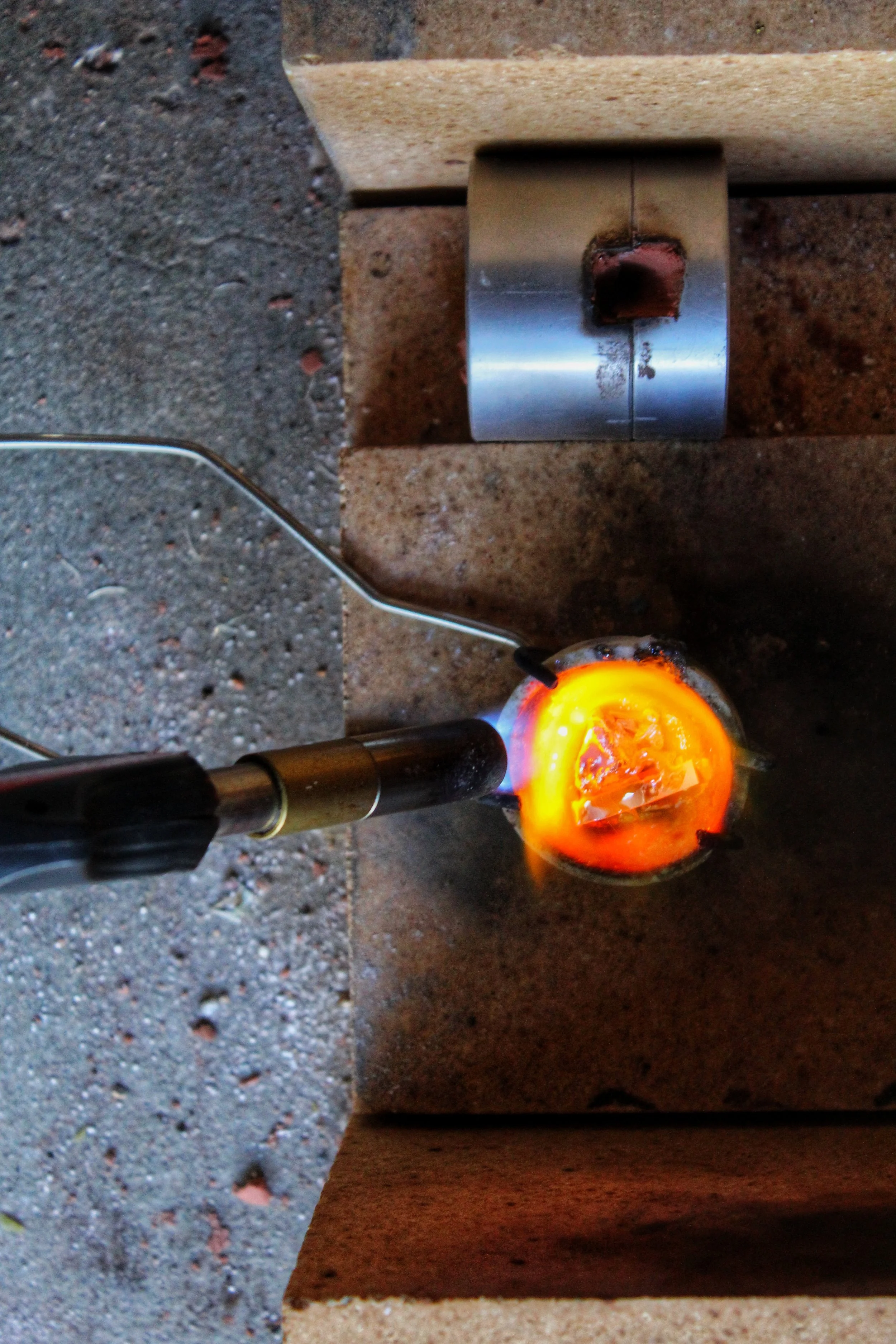
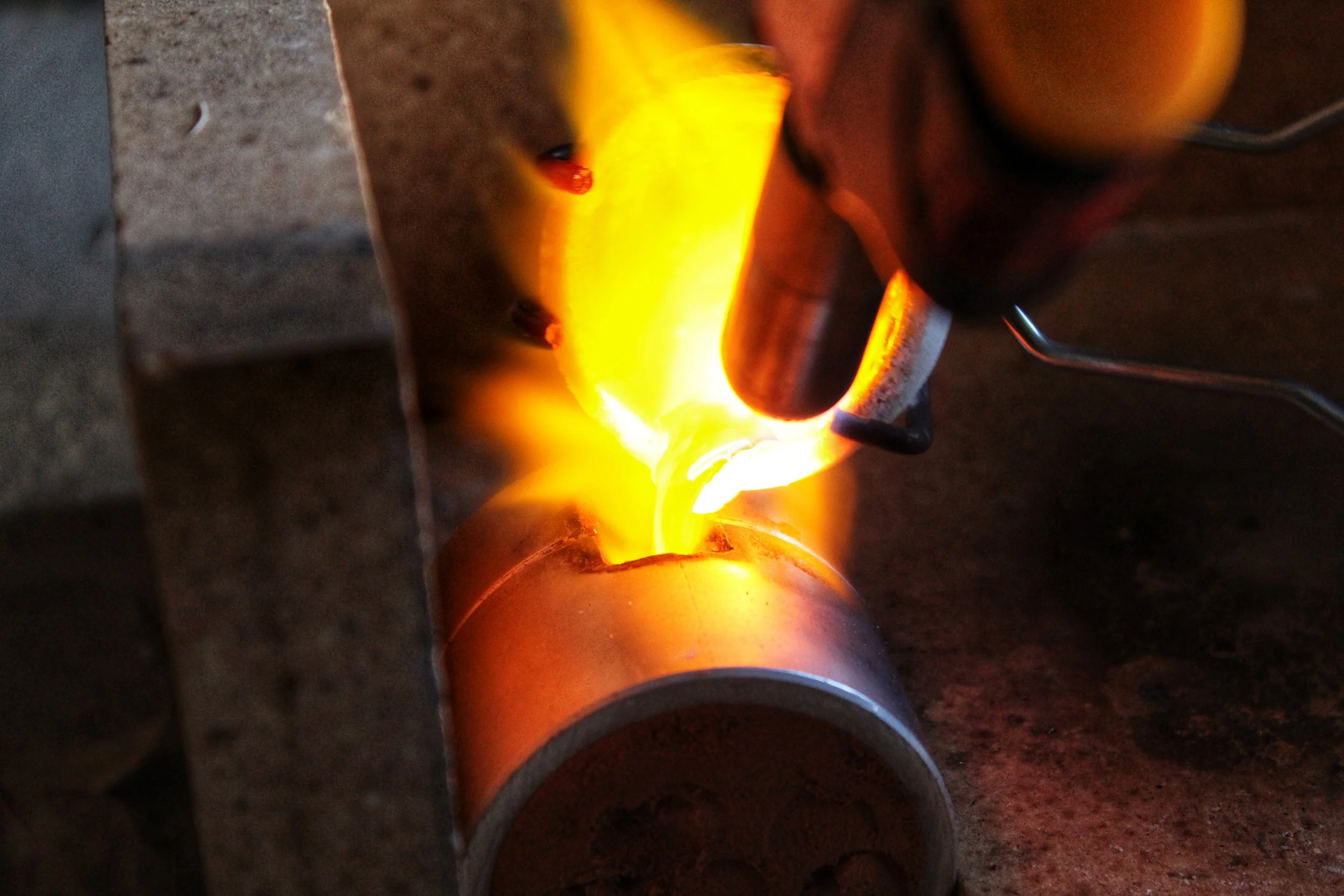
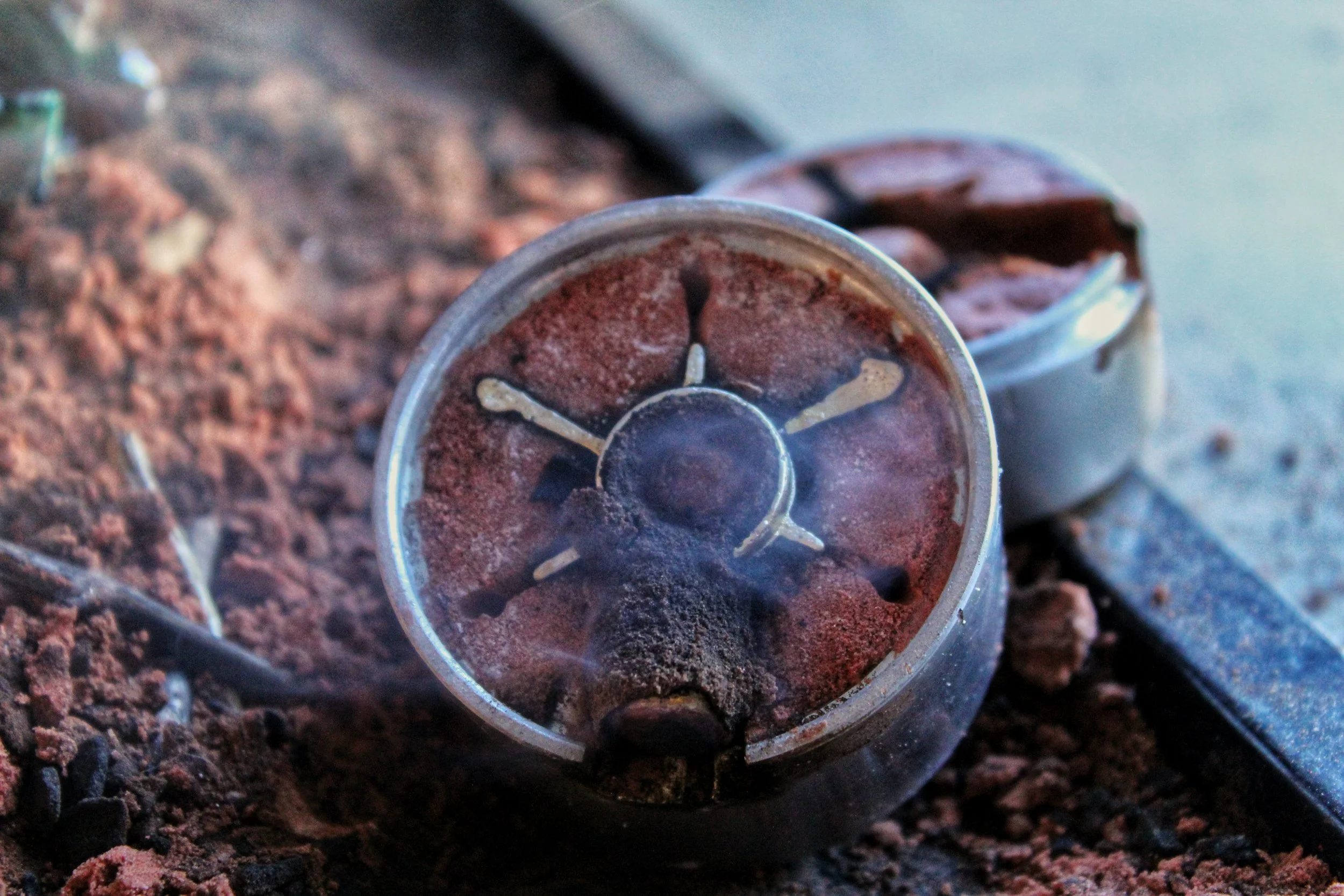
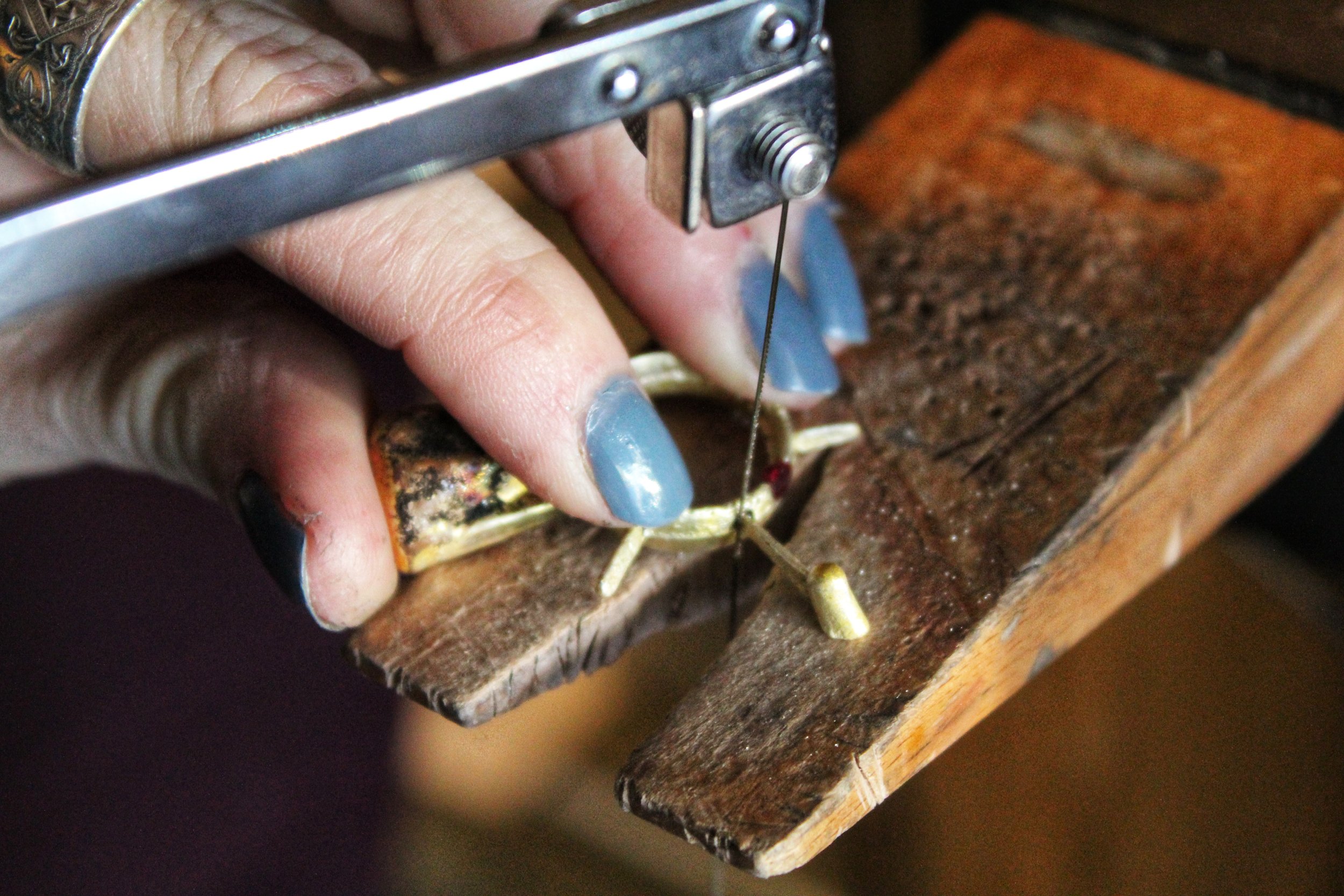
The Process of sandcasting consists of creating a model of the item you wish to cast ,which is then put into a mould then packed with sand. The model is removed leaving a cavity for molten metal to be poured into. The molten metal cools and you are left with a solid cast of you’re model. Which is then sawed, filed and extensively polished to create you’re desired finish. When sandcasting, the result is a one-of-a kind piece of jewellery which bares evidence of the uniqueness of each casting. Like a fingerprint each piece holds the markings of its mould, every time differing from the last. No two pieces will ever be the same. Every piece is carefully handcrafted, and intentional raw form and organic finishes are inherent to the design. Far from being perceived as flaws, these elements are deliberate choices that add character to each piece crafted.
In much of the jewellery I create I take inspiration or elements from our past, whether it be a 300 year old French button, or the feeling of nostalgia when you look out to sea. It could be a vintage toy or a tiny piece of driftwood. All these elements paired with the ancient practise of sandcasting allows me to create jewellery that is unique and true to me.
-
![A glassblower uses a blowtorch to heat and shape glass, with a can of propane nearby, on a stone surface.]()
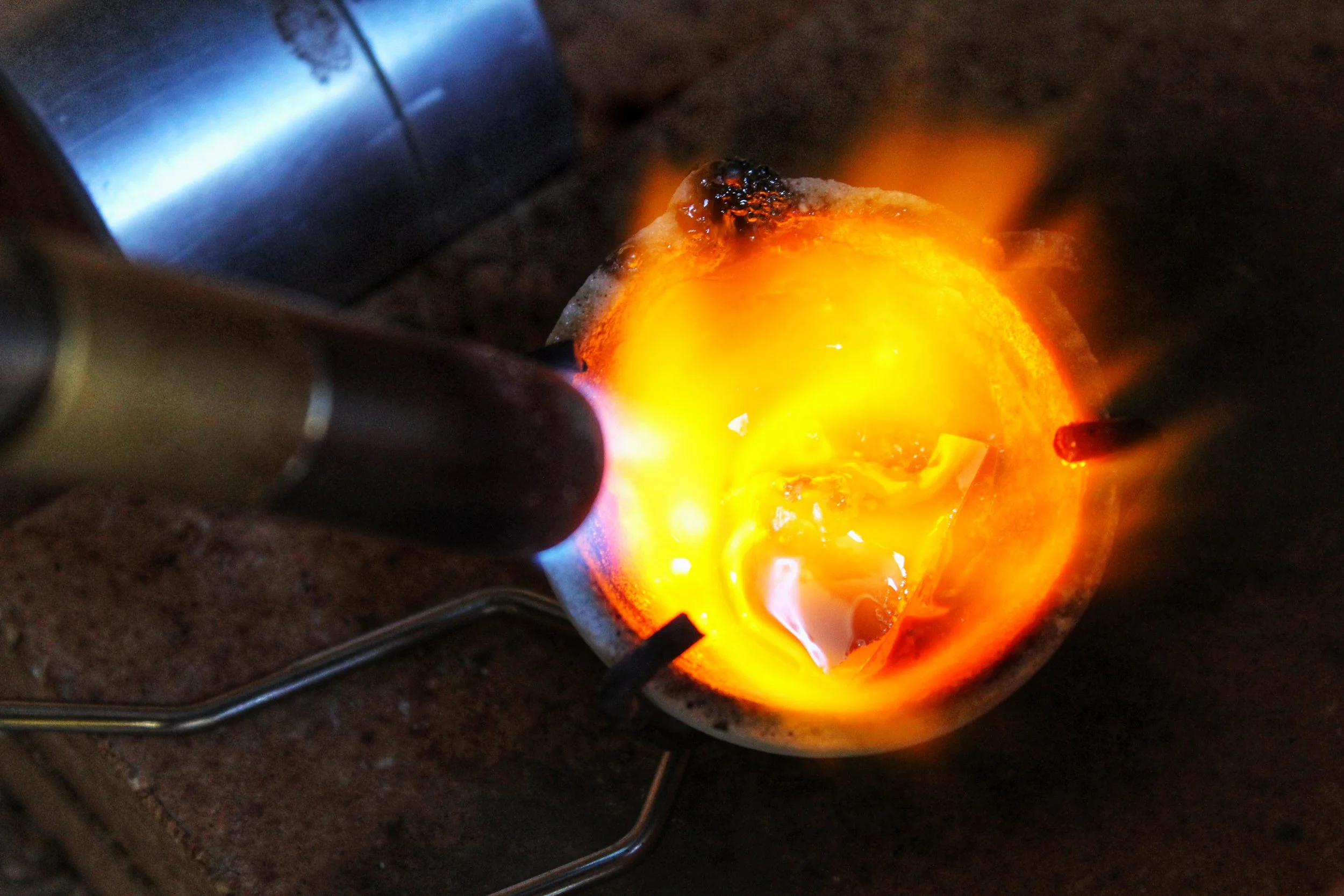
Melt it.
-
![A close-up of a metalworking process where a piece of metal is heated until it is glowing orange and being shaped with a tool.]()
Pour it.
-
![Coffee mug on hot coals next to a grill or fire pit.]()
Cast it.
-
![A person with painted nails uses a small fine blade to carve or engrave a decorative design onto a piece of jewelry, resting on a worn wooden workbench.]()
Saw it.
-
![Clean it.]()
Clean it
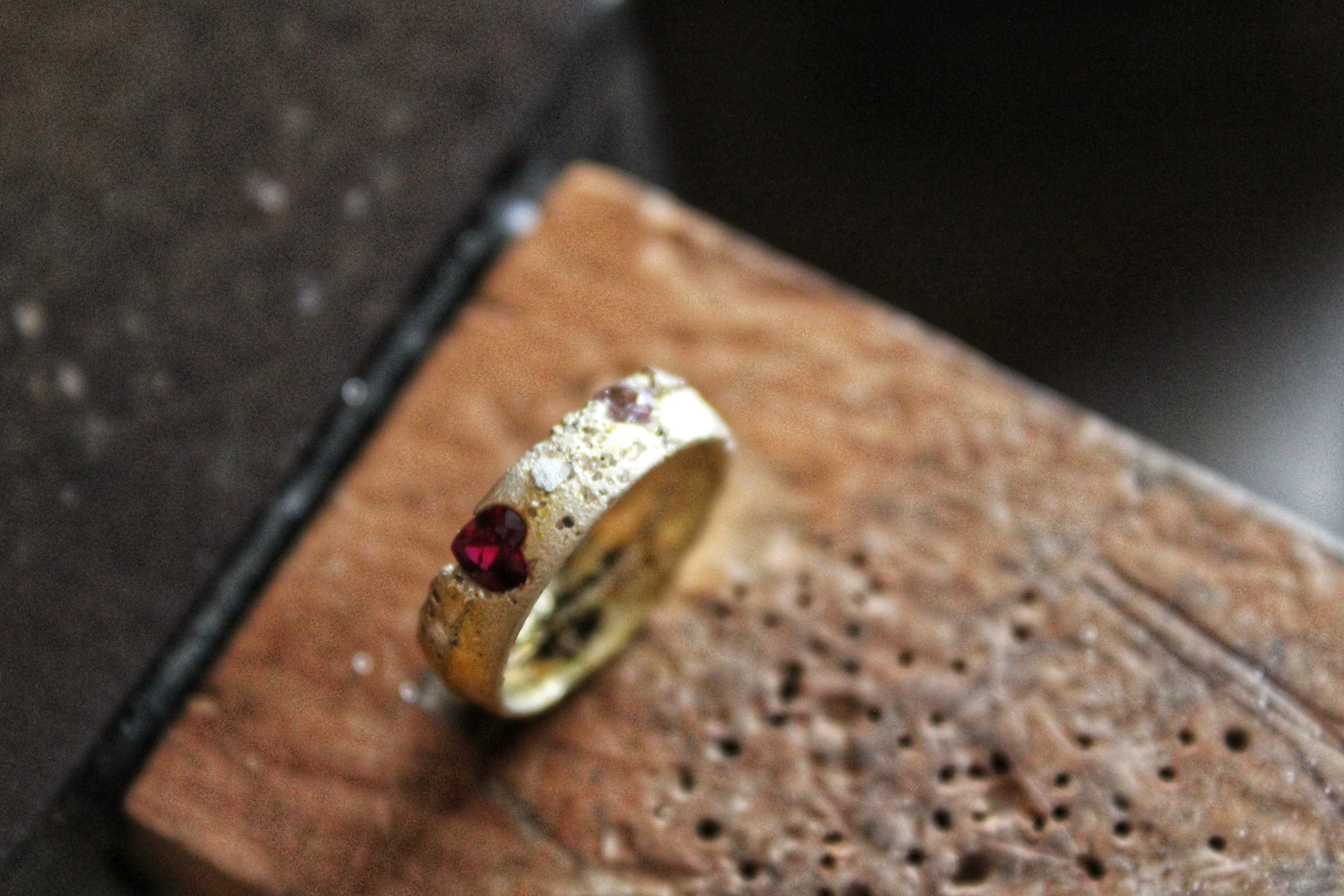
By choosing to run a slow and sustainable jewellery business I make a conscious choice to use materials that have a lighter environmental impact. This means using recycled materials such as precious metals where possible and using ethically sourced gems or lab grown gemstones sourced locally. The beauty of sandcasting is there is very little waste material. Off cuts of silver are kept to be melted down and used when casting the next design.
All pieces are hand made by me , in small batches. By doing a lot of manual work by hand such as hammering , polishing, filing I can reduce the need for heavy machinery thus lower the production impact of the environment.
All of my packaging is 100% recyclable. From the boxes, to the thank you cards. Keep hold of the polishing cloth for further use and store your treasures in the pouches they’ve come in. The cards you receive are all crafted from handmade paper sourced from a local Llama farm and the unique designs have been hand carved by me from lino and printed individual on each card for you to display at home or to pass a love note on to some special. The ribbons on the box are also handmade by me using recycled cotton and dyed by hand using recycled coffee beans.
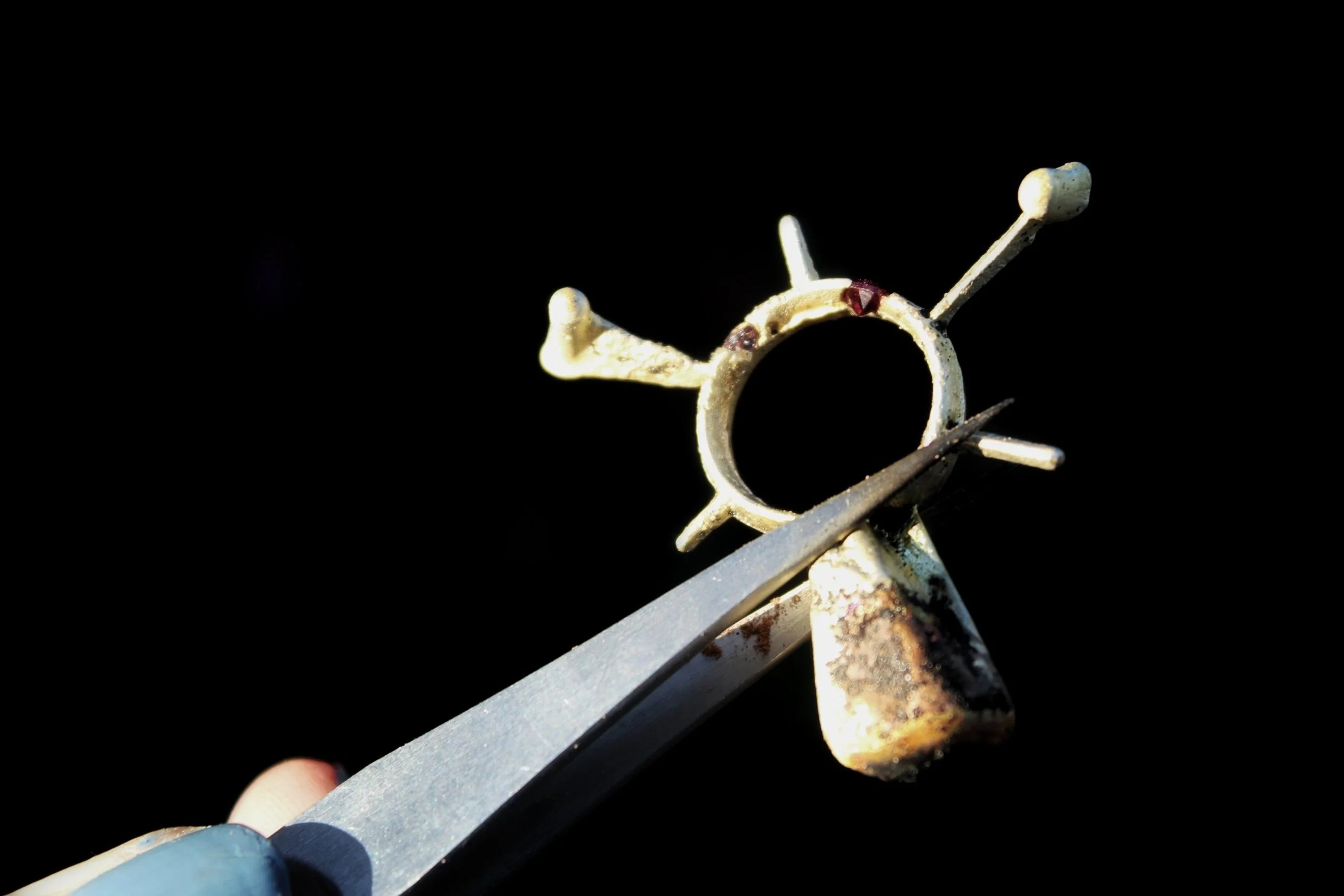
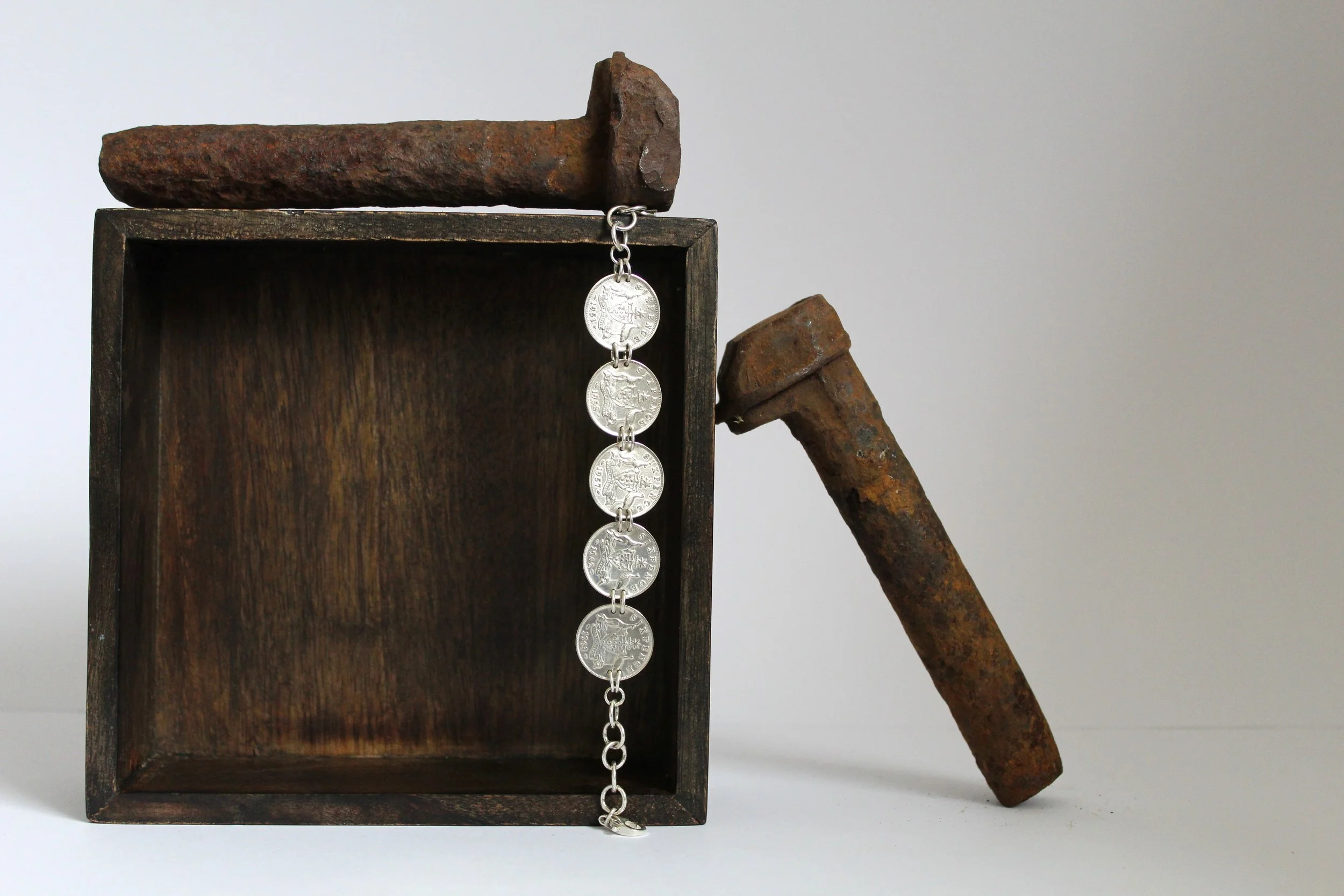
In the marketing photography all of the props are recycled, thrifted or organic .Pieces of driftwood I found on my local beach. Or antique 1800’s hand forged iron railway spikes sourced locally ( as seen in picture above).
A core element of slow fashion are pieces that are made to transcend social media driven seasonal fads and become treasured pieces. The often higher price point and unique design help to make slow jewellery pieces considered purchases. These purchases are designed to be bought thoughtfully, kept for a long time, and valued for life.
Being conscious and kind to our global community is so important to me. If you have any suggestions on ways I can improve or help the planet as a small business I would love to hear!
In an age of fast fashion, social media trends, mass production , exploitation over consumption and damage to our planet I chose to embrace an ethos of slow creativity, mindful perception, consideration for sustainability and thoughtfulness. In creating each piece, choosing tools, materials and packaging that is reflective of my ethos in a busy world is paramount to me, as is preserving the craft of silversmithing and crafting enduring treasures.